










Bathroom Ventilation: How to Prevent Persistent Condensation in Metro Vancouver
Learn how bathroom ventilation helps prevent persistent condensation in Metro Vancouver. Get practical tips for fan use, airflow checks, and drying after showers.
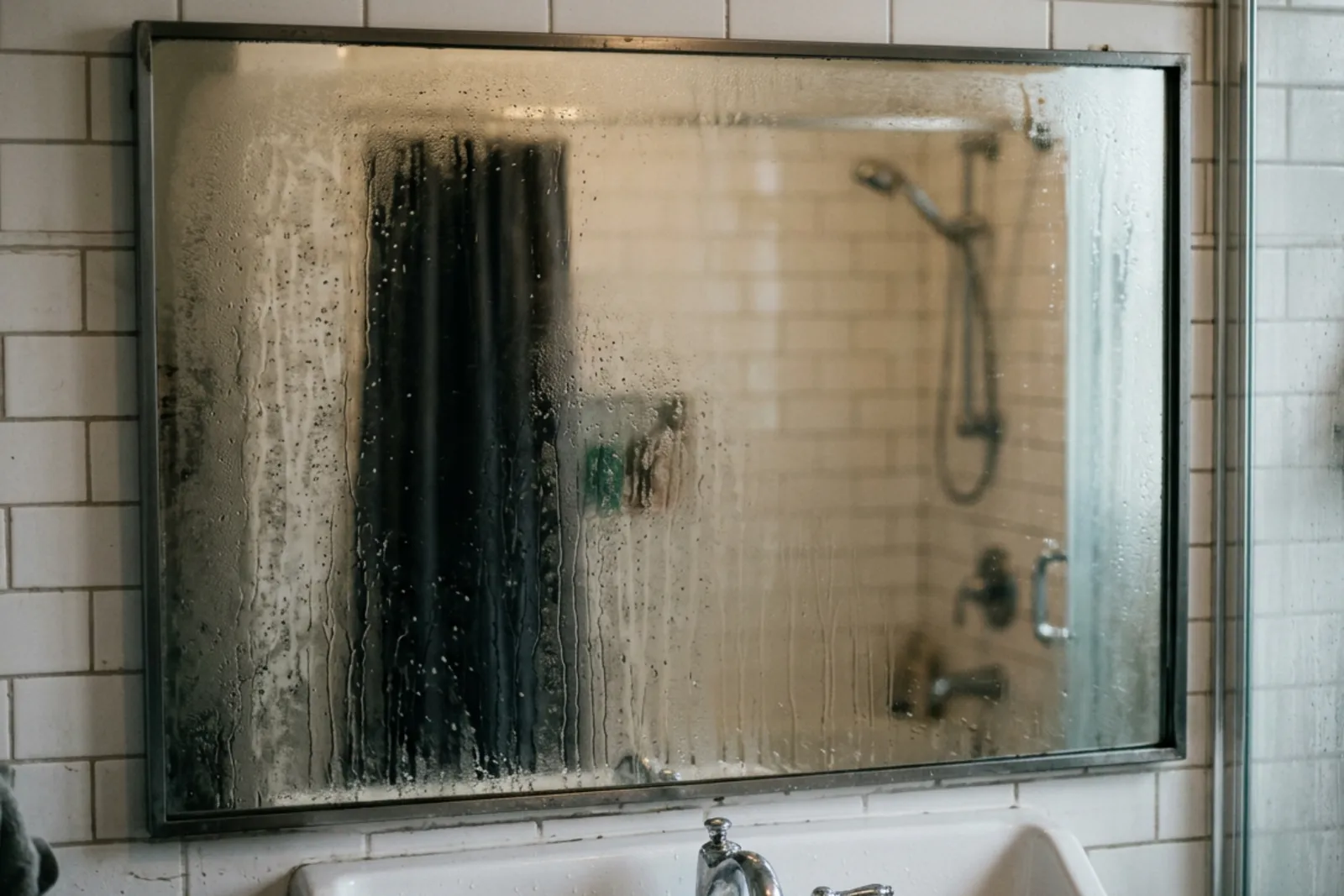
A fogged bathroom mirror after a hot shower is familiar. Water still clinging to the windows, ceiling, and walls an hour later deserves more attention.
Persistent condensation usually means moisture is accumulating faster than the room can remove it. Over time, that dampness can damage paint, keep grout and caulking wet, and create conditions where mold grows. Wiping the glass helps with the immediate mess, but it does not solve the ventilation problem.
In Metro Vancouver, cool weather and frequent rain can make bathroom moisture harder to manage. The solution starts with a dependable exhaust system and enough operating time. Understanding what condensation tells you, and what it does not, helps you decide whether a better daily routine is enough or whether the fan needs professional attention.
Why Bathroom Glass Collects Condensation
Condensation forms when warm, moist air touches a surface cold enough to bring that air below its dew point. The moisture becomes liquid droplets.
Mirrors, windows, and glass shower doors make those droplets easy to see. Painted walls and ceilings can collect moisture too, although the early signs may be less obvious.
The amount of condensation depends on several conditions: how much moisture bathing adds, how cold the surfaces are, and how effectively the room exchanges air. A long, hot shower in a cool bathroom puts more strain on ventilation than a short, warm shower in a comfortably heated room.
There is no single reliable figure for how much water vapor every shower produces. Water temperature, shower length, spray pattern, and room conditions all affect evaporation. What matters practically is that a shower can raise humidity quickly, and wet surfaces continue releasing moisture afterward.
Outdoor humidity does not tell the whole story
Vancouver’s outdoor relative humidity is often high, especially during wet weather. But relative humidity depends on temperature. Cool outdoor air can have high relative humidity while containing less water vapor than warm indoor air.
When that outdoor air enters a home and warms up, its relative humidity drops. It can therefore help dry a bathroom even on a damp day.
Still, an open window is not a dependable replacement for mechanical exhaust. Wind, outdoor temperature, window size, and the room’s layout all affect airflow. During the rainy season, a window may also make nearby surfaces colder, which can encourage condensation.
A properly functioning exhaust fan provides more predictable moisture removal.
Give the Fan Enough Time to Work
One of the most common ventilation mistakes is turning the fan off when the shower ends. At that point, the room still contains humid air, and the shower enclosure, towels, and other surfaces are wet.
Use this routine as a starting point:
Turn the fan on shortly before showering.
Keep it running throughout the shower or bath.
Leave it running for at least 20 to 30 minutes afterward.
When several people shower in succession, keep it on throughout and for about 30 minutes after the final shower.
These times are practical guidelines, not a guarantee that every bathroom will be dry. A cooler room, a long shower, or weak airflow may require more time.
Watch what happens afterward. Does the mirror clear? Are the walls drying? Does the room still feel damp when you return? A small hygrometer can provide a better check than touch alone. Place it away from direct spray and the immediate steam plume.
Indoor relative humidity is commonly managed around 30% to 50%, with adjustments for weather and building conditions. Cold windows may need lower humidity to avoid condensation. Brief spikes during bathing are expected; humidity that stays elevated for hours needs investigation.
Check Airflow Before Replacing the Fan
A fan can make plenty of noise without moving enough air. Before assuming you need a larger unit, check the existing system.
Try a simple tissue test
With the fan running, hold a lightweight tissue near the grille. It should be drawn toward the intake.
This is a useful screening test, but it does not measure airflow or confirm that the fan meets the bathroom’s needs. A fan may hold a tissue while still performing poorly because of a restricted duct.
If there is little apparent suction, check whether the grille is clogged with dust. Follow the manufacturer’s cleaning instructions, turn off power before removing accessible covers, and avoid disturbing wiring.
Persistent weak airflow calls for a qualified professional to check the fan and ductwork.
Make sure replacement air can enter
An exhaust fan needs air to replace what it removes. A bathroom door with a very tight seal can limit airflow.
Many bathrooms receive replacement air through a gap beneath the door or another designed air path. If the fan appears to work better with the door slightly open, restricted replacement air may be part of the problem.
Do not cut doors or alter ventilation grilles without checking building requirements. Fire-rated doors and doors in multifamily buildings may have restrictions.
Verify where the duct ends
Bathroom exhaust must discharge outdoors through an appropriate termination. It should not empty into an attic, crawlspace, or another enclosed area.
Sending moist air into those spaces transfers the problem to a place where damage may go unnoticed.
Long duct runs, crushed flexible ducting, excessive bends, stuck dampers, and blocked exterior hoods can all reduce airflow. In cold spaces, appropriate duct insulation also helps limit condensation inside the duct.
A professional inspection is worthwhile when the fan runs for a long time but the bathroom barely dries.
Timers and Humidity Sensors Make Good Habits Easier
The best ventilation routine is one people will actually follow. Controls can remove the need to remember a second trip back to the bathroom.
Timer switches
A countdown timer lets you select a run period, often using settings such as 20, 40, or 60 minutes. The fan then shuts off automatically.
This is a straightforward option for households where someone regularly turns the fan off too soon. Choose enough time to cover the shower itself and the drying period afterward.
For example, selecting 20 minutes before a 15-minute shower leaves only five minutes of post-shower ventilation. A longer setting would make more sense.
Humidity-sensing controls
A humidity sensor can start the fan when humidity rises and keep it operating until conditions improve. Some controls respond to a fixed threshold; others detect a rapid increase in humidity.
Settings around 60% to 65% relative humidity are common starting points for some devices, but the right setting depends on the product and the bathroom. That activation threshold is not the same as an ideal long-term indoor humidity level.
A sensor set too high may wait too long. One set too low may run frequently during humid weather. Follow the manufacturer’s instructions and adjust it based on observed results.
Switch replacement involves electrical work. In British Columbia, use a qualified, licensed electrical contractor and confirm applicable permit and inspection requirements. Electrical oversight may fall under Technical Safety BC or a local authority, depending on the location.
When Continuous Low-Speed Ventilation Helps
Some bathrooms benefit from steady background ventilation rather than relying entirely on a high-speed fan during bathing.
Compatible fans may run continuously at roughly 20 to 30 cubic feet per minute, or CFM, then increase to a higher exhaust rate when a switch or sensor calls for it. Some models have boost settings around 80 to 110 CFM.
These figures describe available operating patterns, not universal sizing requirements. The bathroom’s layout, duct resistance, and the home’s overall ventilation design determine what is appropriate.
Continuous low-speed operation can help where bathrooms stay damp between uses or several people shower at different times. A quiet, efficient fan also makes it easier to tolerate longer operation.
Electricity use depends on the fan’s wattage and operating schedule. Check the actual product specifications rather than assuming every fan costs the same to run.
Continuous exhaust should be considered as part of the home’s ventilation system. Replacement air, pressure balance, and combustion safety matter, particularly in homes with fuel-burning equipment. Homes with a heat recovery ventilator or energy recovery ventilator may already have a coordinated bathroom exhaust arrangement.
Different Bathrooms Need Different Checks
The same fan routine will not solve every moisture problem. Building type and room location matter.
Condos and strata buildings
Some condo bathrooms connect to centralized exhaust systems that already provide continuous ventilation. A grille may look like a conventional bathroom fan intake even though the equipment is elsewhere.
Ask strata management how the system works before replacing a fan, changing controls, or altering ductwork. Modifications may require approval and could affect neighboring units.
Weak airflow may reflect a building-level maintenance issue rather than a problem inside your bathroom.
Basement suites
Below-grade bathrooms often have cooler surfaces, so condensation may develop more readily. Start by allowing 30 to 45 minutes of fan operation after bathing, then check whether humidity and surface moisture actually decline.
Confirm that the duct discharges outdoors. Also look beyond shower steam if dampness persists. Foundation moisture, plumbing leaks, and inadequate heating can produce symptoms that ventilation alone will not fix.
Bathrooms without windows
In a windowless bathroom, mechanical ventilation is usually the main route for moisture removal.
Reliable controls are especially useful here. A timer or compatible humidity sensor can keep the fan operating after someone leaves the room. Continuous low-speed ventilation may also help when it suits the building’s design.
Do not rely on leaving the bathroom door open as the main solution. That may simply spread humid air into bedrooms and hallways.
What Shower Doors and Mirrors Can Tell You
Glass is a useful indicator of bathroom conditions, but changing the glass rarely fixes inadequate ventilation.
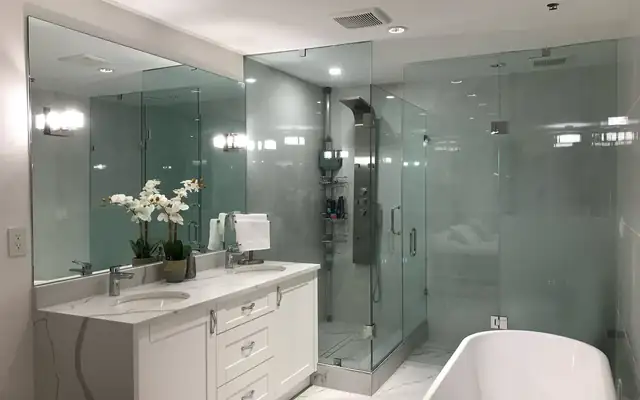
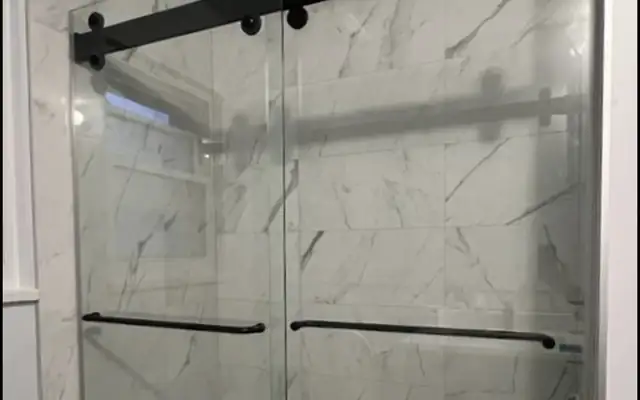
Frameless shower doors, framed shower doors, and sliding glass shower doors can all collect condensation. Their layouts affect air movement within the enclosure, but no door style eliminates the need to remove moisture.
A tightly enclosed shower may stay wet after the surrounding bathroom has started drying. For a conventional shower, following the manufacturer’s guidance about leaving the door open after use can help trapped moisture escape. Wiping the glass with a squeegee also removes water that would otherwise evaporate into the room.
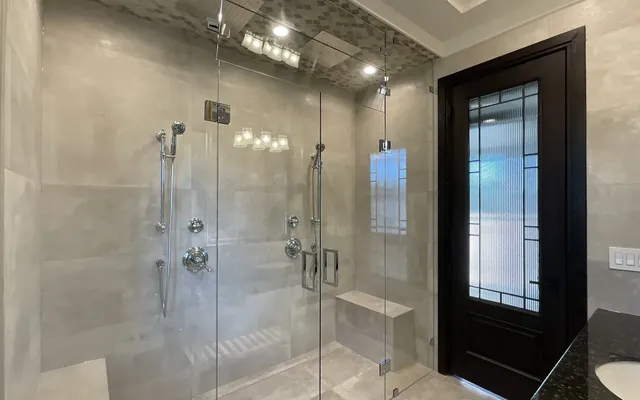
Purpose-built steam shower enclosures are different. Steam room glass, seals, and drying procedures should follow the enclosure and steam equipment manufacturers’ requirements.
Window condensation also deserves careful interpretation. Moisture on the room-facing surface can indicate high indoor humidity or cold glass. Fogging between the panes of a double-glazed window often indicates a sealed-unit problem instead. Running the bathroom fan longer will not repair that seal.
Recognize the Signs That Need More Attention
A mirror that remains fogged more than about 15 minutes after showering is a useful prompt to check ventilation, although it is not a precise test. Glass temperature and bathroom conditions affect clearing time.
More concerning signs include recurring musty odors, mold returning on caulking or grout, peeling ceiling paint, and moisture stains. These suggest repeated wetting or another moisture source.
If longer fan operation does not help, avoid simply repainting or repeatedly replacing caulk. Check airflow, duct routing, surface temperatures, and possible leaks. Extensive or recurring mold may need professional assessment.
The goal is steady drying after normal bathroom use. Start the fan early, give it enough time afterward, and confirm that it is actually moving air outdoors. If condensation persists, investigate the system rather than accepting a damp bathroom as inevitable.
Planning a glass project?
Send us a photo and the rough size. We will measure on site and give you a fixed written quote.
Get a Free Quote